
Home
The fate of an epoch which has eaten of the tree of knowledge is that it must know that
we cannot learn the meaning of the world from the results of its analysis (Max Weber)
This is the distinctively modern faculty, the ability to create an illusion which is known
to be false but felt to be true (Colin Campbell)
The ‘truth’ of a theory does not boil down to its reliability but also involves the nature
of its selective perspective on the world (Alvin W. Gouldner)
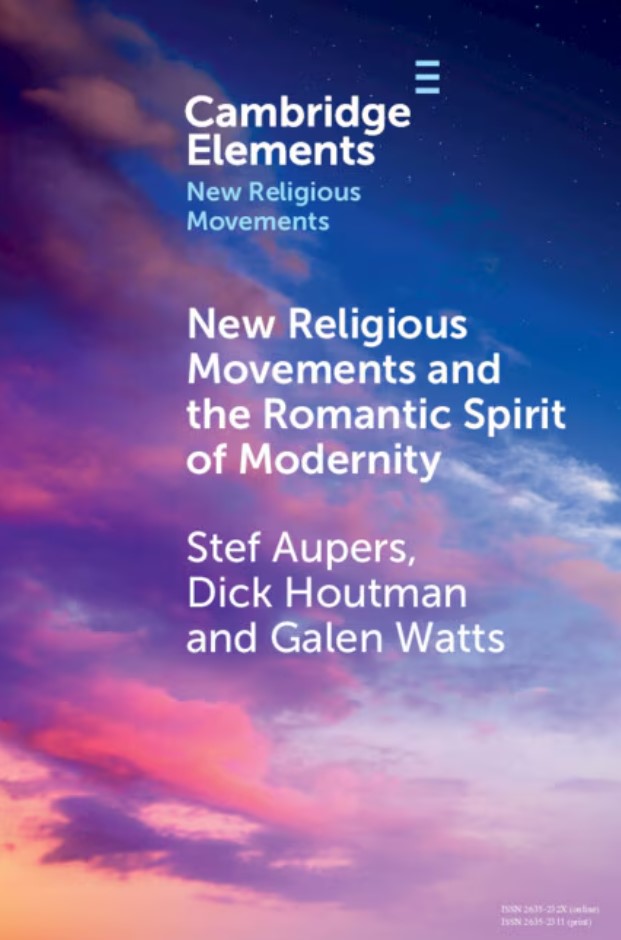
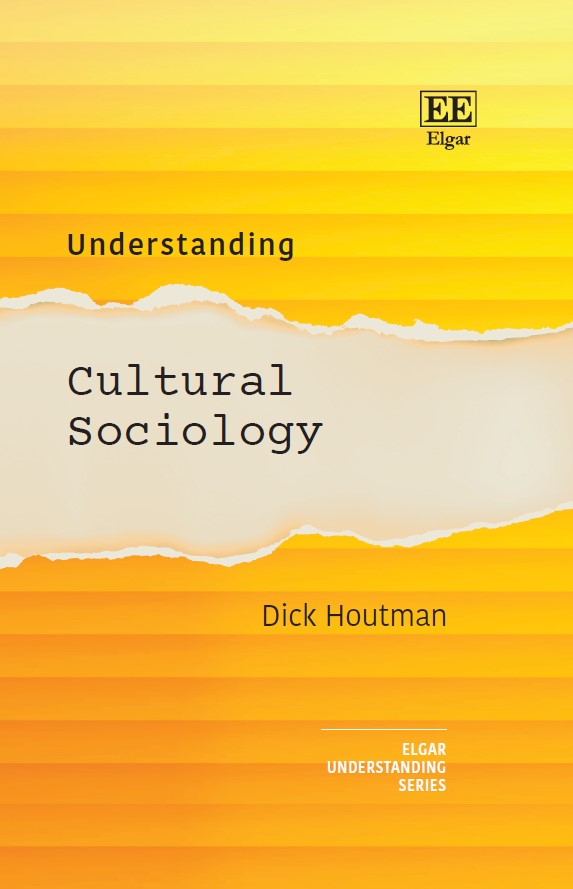
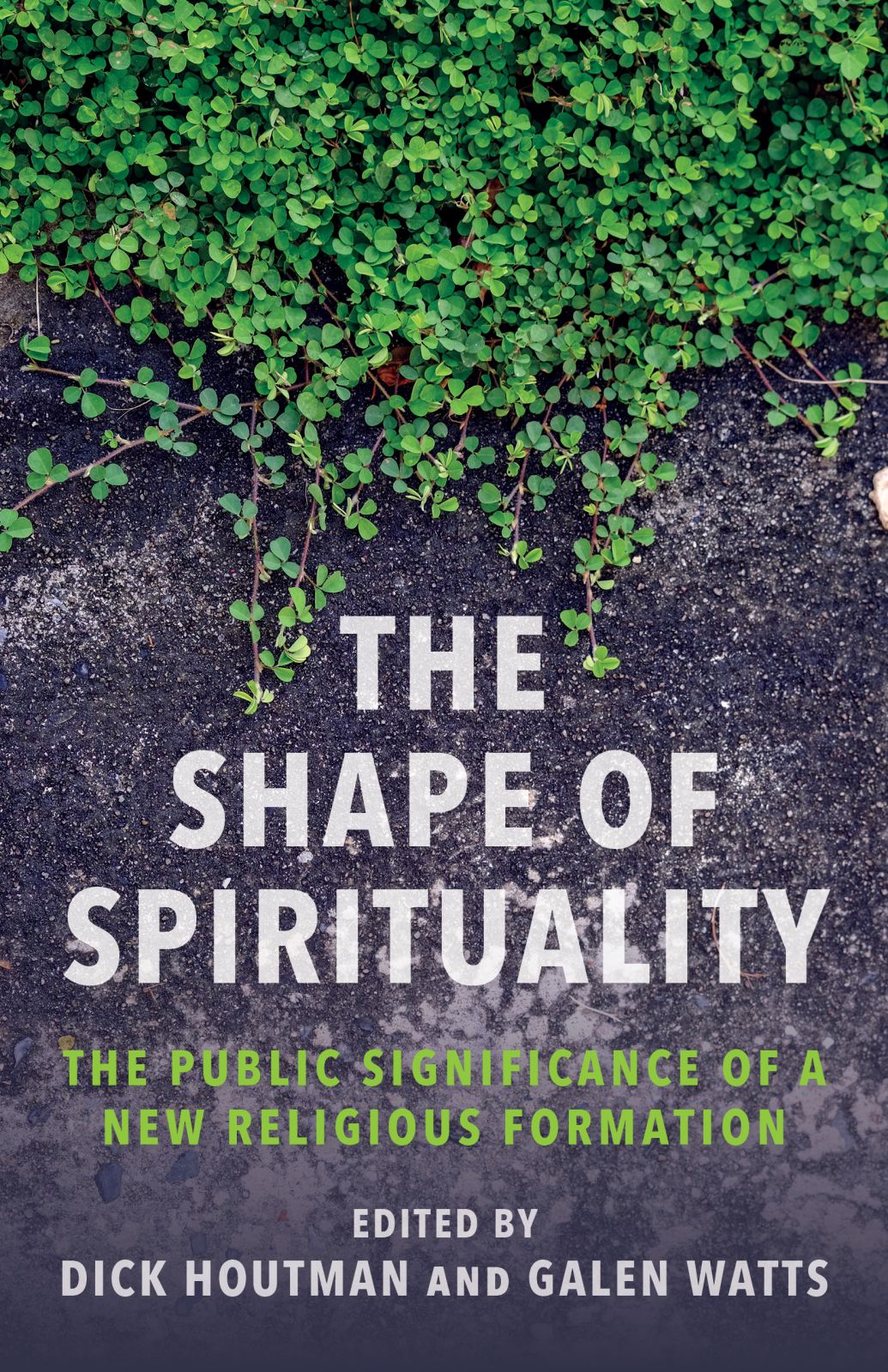
Dick Houtman is Professor of Sociology at the Center for Culture, Conflict and Inequality (C3I), Department of Sociology, University of Leuven, Belgium, where he teaches in the specialization Culture and Society of the international Master of Sociology. He is also a faculty fellow at Yale University’s Center for Cultural Sociology (CCS), where he was a visiting fellow during the academic years 2012-2013 and 2022-2023, and a member of the editorial boards of Journal for the Scientific Study of Religion, Journal of Contemporary Religion, Tijdschrift Sociologie, and Annual Review of the Sociology of Religion.
Dick Houtman’s principal research interests are cultural change and cultural conflict in the West since the 1960s, particularly in the realms of politics (due to the emergence of a political culture that foregrounds culture and identity rather than economic class interests) and religion (due to the shift from institutional allegiance, religious belief and doctrine to spiritual experience). More generally, he is interested in the multifarious cultural manifestations and wide-ranging consequences of a Romantic turn that has profoundly transformed the West since the 1960s.
As a cultural sociologist, Dick Houtman aims to expose misleading sociological pretensions of ‘true’ meaning, portrayed as solidly grounded beyond culture and history, as moral discourse disguised as science. He considers himself neither a social or cultural theorist, nor a methodologist, but firmly believes that only systematic research informed by original theoretical ideas can produce new and meaningful sociological knowledge. As to teaching in higher education, his philosophy is simple enough: students should not be made to slavishly reproduce received ideas, but trained to think sociologically and conduct empirical research that makes a theoretical difference.
Last updated in January 2026
 create websites